

Application of PEEK in Commercial Aerospace
PEEK (Polyetheretherketone) and its composites are extensively used in the commercial aviation sector. Their core value lies in lightweighting, resistance to extreme environments, and high reliability, making them ideal alternatives to traditional metals (such as aluminum and titanium alloys) and some conventional materials.
I. Core Performance Advantages
The widespread application of PEEK in aviation is primarily attributed to its outstanding comprehensive properties:
· Lightweighting: With a density of only about 1.3 g/cm³, it is approximately half that of aluminum alloy and a quarter of titanium alloy, serving as a key material for achieving aircraft weight reduction (potentially up to 10%-40%).
· High Strength and Fatigue Resistance: It offers excellent mechanical properties and outstanding fatigue resistance, comparable to alloy materials, making it suitable for components subjected to long-term vibration and stress.
· High and Low-Temperature Resistance: It can be used continuously at temperatures up to 260°C and withstand short-term exposure above 300°C, while maintaining stable performance at low temperatures (e.g., -40°C).
· Flame Retardancy, Low Smoke, and Non-Toxicity: It is inherently flame retardant, achieving UL94 V-0 rating without additives, and produces low smoke and minimal toxic fumes when burned, fully complying with stringent aviation safety standards.
· Chemical Corrosion and Hydrolysis Resistance: It can resist erosion from aviation fuels, hydraulic fluids, de-icing fluids, and other chemicals, and exhibits excellent hydrolysis stability.
· Wear Resistance and Self-Lubrication: It has a low friction coefficient and excellent wear resistance, making it suitable for moving parts that require minimal or no lubrication, thereby reducing maintenance needs.
II. Specific Application Components
PEEK materials are used in multiple areas of commercial aircraft, from interiors to critical structural components:
· Interior and Secondary Structures: Used in seat frames, brackets, sidewall panels, luggage racks, and sunshades to achieve weight reduction, flame retardancy, enhance cabin safety and comfort, and reduce noise.
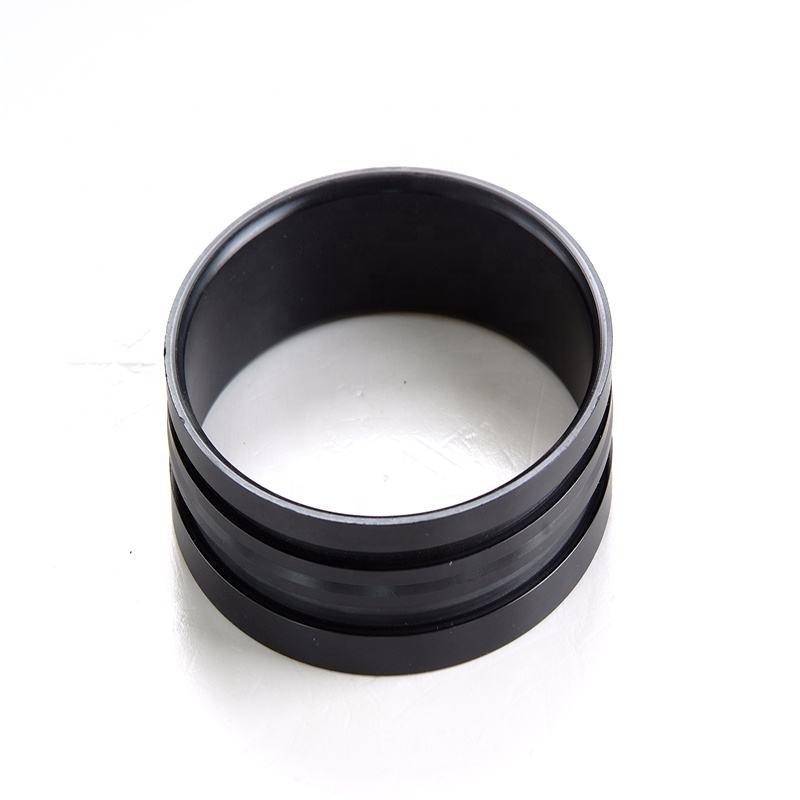
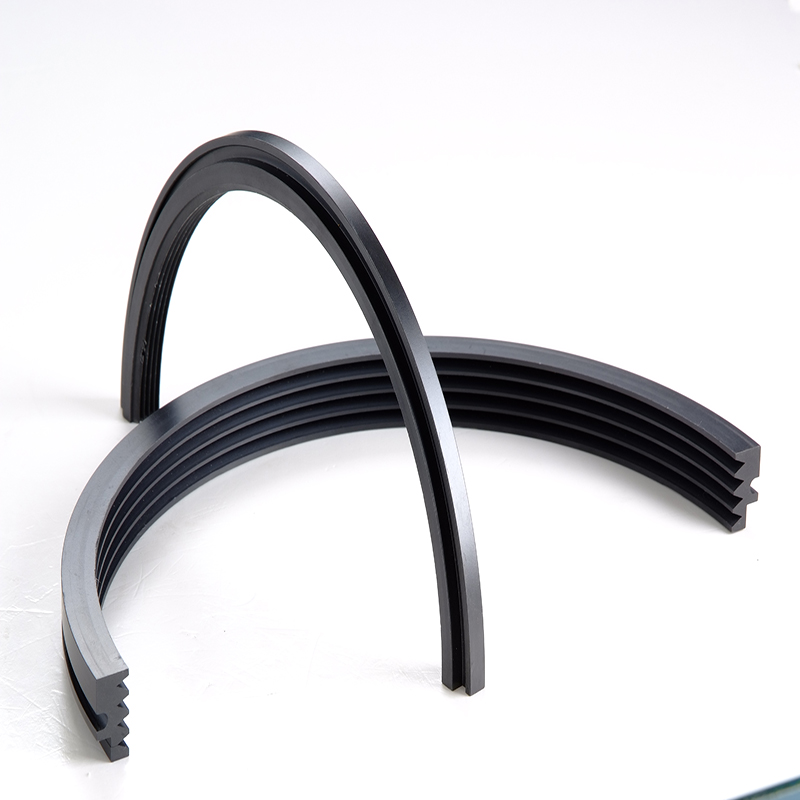
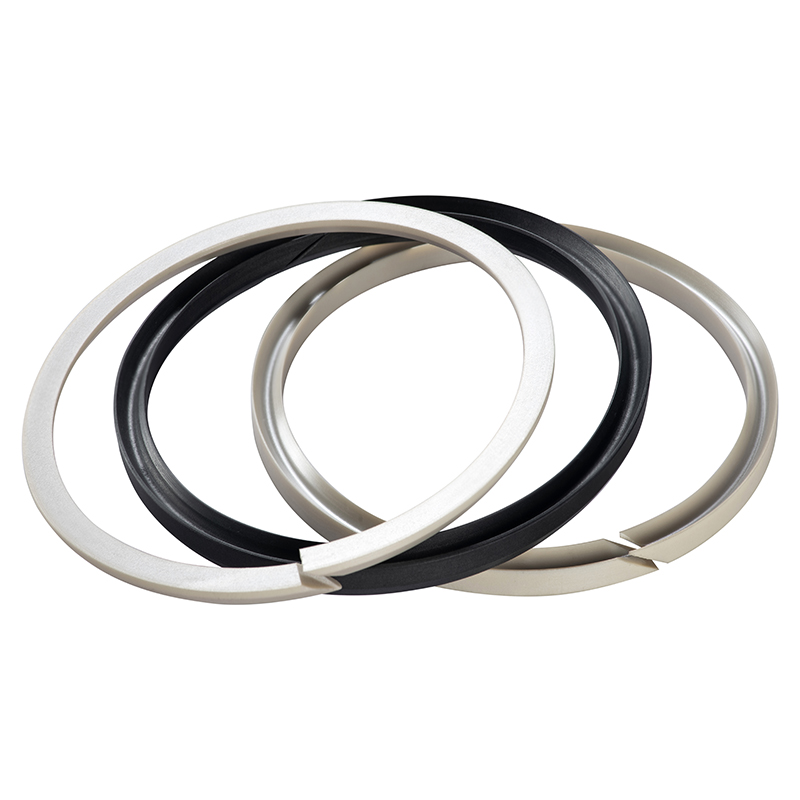
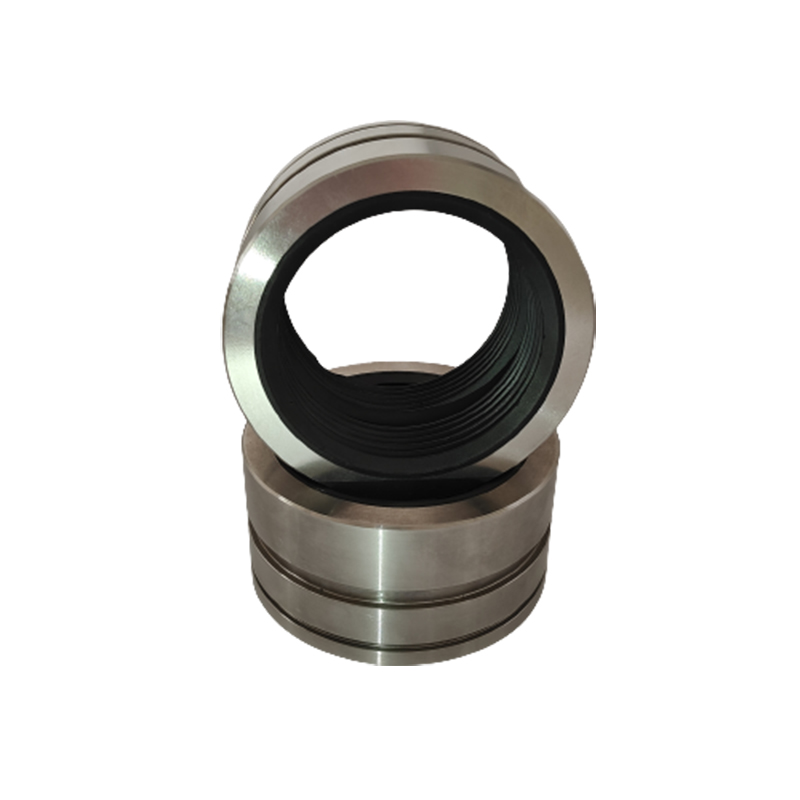
· Engine and Surrounding Areas: Applied in engine inner covers, blades, sealing rings, gaskets, wire harness clamps, and nuts. Its high-temperature and chemical corrosion resistance allows it to replace metals for weight reduction and insulation.
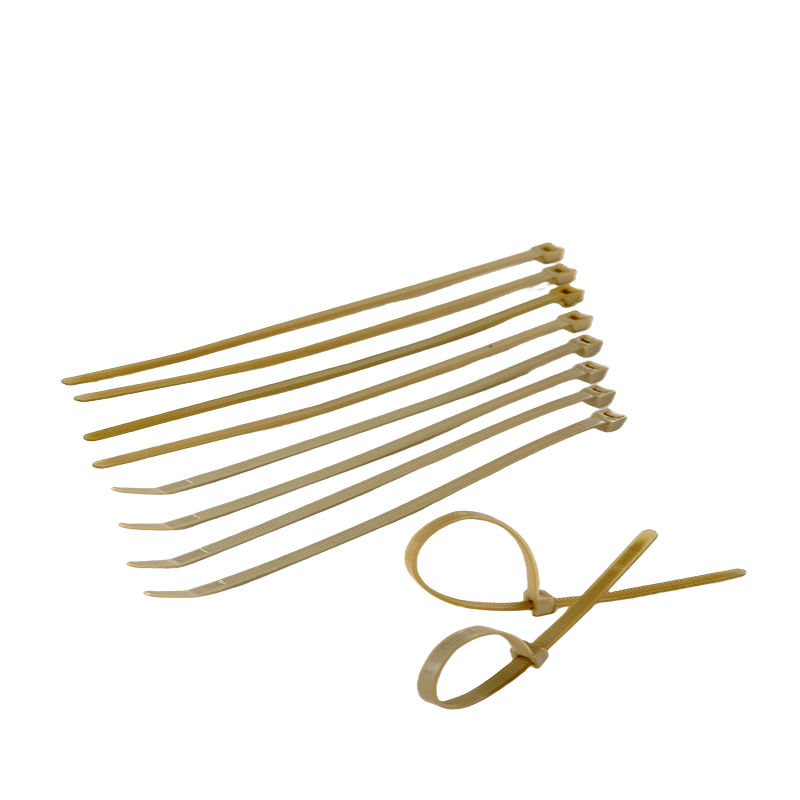
· Piping and Cable Systems: Components like fuel/hydraulic pipe clamps, conduits, and wire/cable insulation layers and sheaths utilize PEEK for its lightweight, oil resistance, flame retardancy, good insulation, and durability.
· Airframe and Wing Structural Parts: Carbon Fiber/PEEK (CF/PEEK) composites, due to their extremely high specific strength and specific modulus, are used in brackets, fasteners, wing leading edges, fairings, door support members, and other secondary or even primary load-bearing structures, representing a key direction for ultimate weight reduction.
· Other Critical Components: Aircraft wheel hub covers, pylon fairings, control system impellers, radomes, oxygen bottle brackets, and aviation seat parts also employ PEEK, leveraging its comprehensive properties to replace metals, reduce weight, and withstand harsh environments.
Specific Aircraft Application Examples:
· Boeing 787 & Airbus A350: PEEK components such as wheel hub covers, pylon fairings, clamps, and pipes are already widely used.
· COMAC C919: Applied in high-voltage cable conduits, wire clamps, brackets, and interior parts, contributing to weight reduction and performance enhancement for the domestic airliner. Reports indicate its use in floor brackets for the ARJ21 regional jet as well.
· UAVs/eVTOL (Low-Altitude Economy): Used in propeller blades, airframe structural parts, etc., where lightweighting directly improves endurance and payload capacity.
III. Market Outlook and Driving Factors
1. Market Growth: Aerospace is a major global downstream market for PEEK, accounting for approximately 22-25% of consumption. Demand continues to expand with the growth of the global commercial aircraft fleet and increased penetration of new materials.
2. Localization Opportunities: Currently, CF/PEEK composites used in aircraft like the C919 are largely imported. With the development of domestic airliners and the localization of components, there is significant potential for substitution by domestic CF/PEEK materials.
3. Core Drivers: The commercial aviation sector's relentless pursuit of fuel efficiency (via weight reduction), reliability (in extreme environments), and safety (flame retardancy) are the core forces driving PEEK adoption.
IV. Representative Companies
Domestic companies like Dalian Luyang Technology Development Co., Ltd. are actively positioning themselves in the aerospace PEEK application field, offering integrated solutions from material modification to precision part machining.
