

Application of PEEK Materials in the Aerospace Field
PEEK (Polyetheretherketone), renowned for its outstanding comprehensive properties and hailed as the "King of Specialty Engineering Plastics," is one of the key materials for achieving lightweight, high reliability, and long service life in the aerospace field. Its specific applications in aerospace are mainly reflected in the following aspects:
1. Core Performance Advantages Driving Applications
PEEK's lightweight nature (density only half that of aluminum alloy), high strength and rigidity, excellent high and low-temperature resistance (long-term service temperature up to 260°C), inherent flame-retardant, low-smoke, and non-toxic properties (meeting aviation safety standards), good chemical corrosion resistance, and excellent wear resistance and self-lubrication make it an ideal choice for replacing metals (such as aluminum alloy, titanium alloy) and some traditional materials.
2. Specific Application Components
PEEK and its composite materials (such as carbon fiber reinforced PEEK, i.e., CF/PEEK) have extensive and specific applications in the aerospace field:
· Aircraft Interiors and Secondary Structural Components: Used for seat frames, brackets, sidewall panels, luggage racks, sun visors, etc., achieving weight reduction, flame retardancy, and improved comfort.
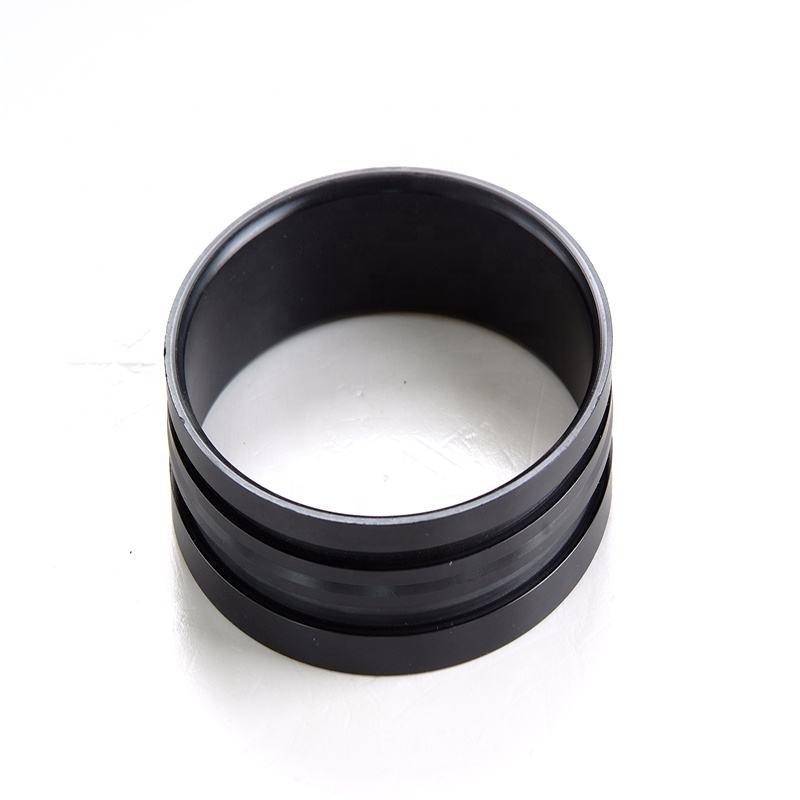
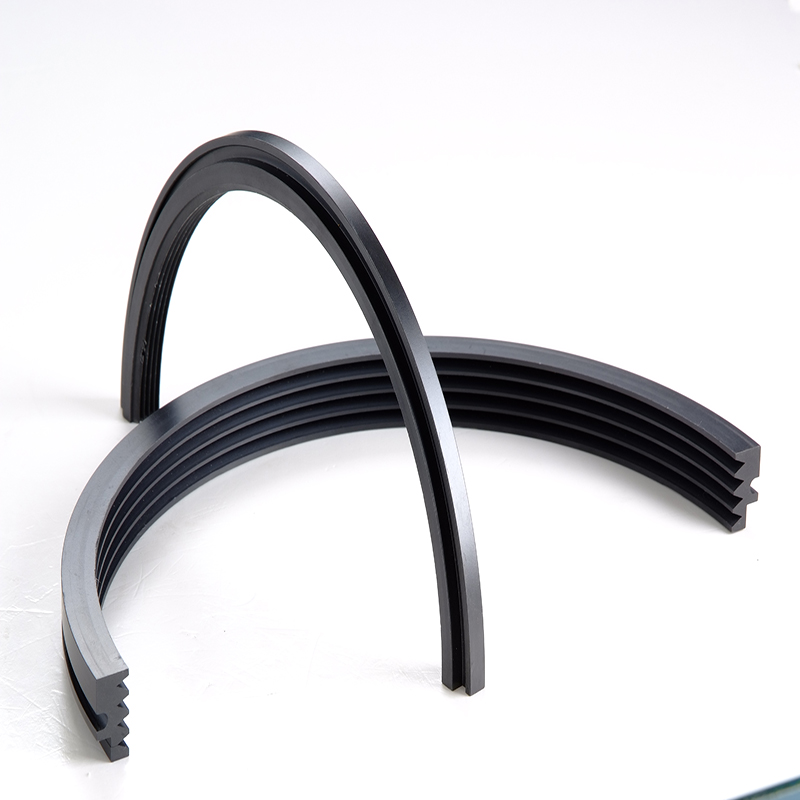
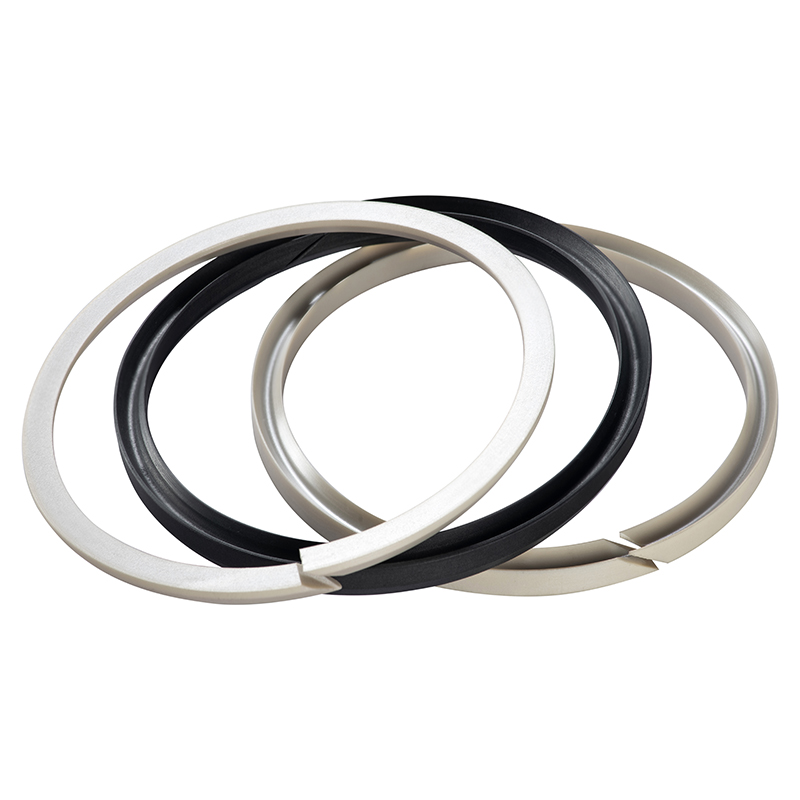
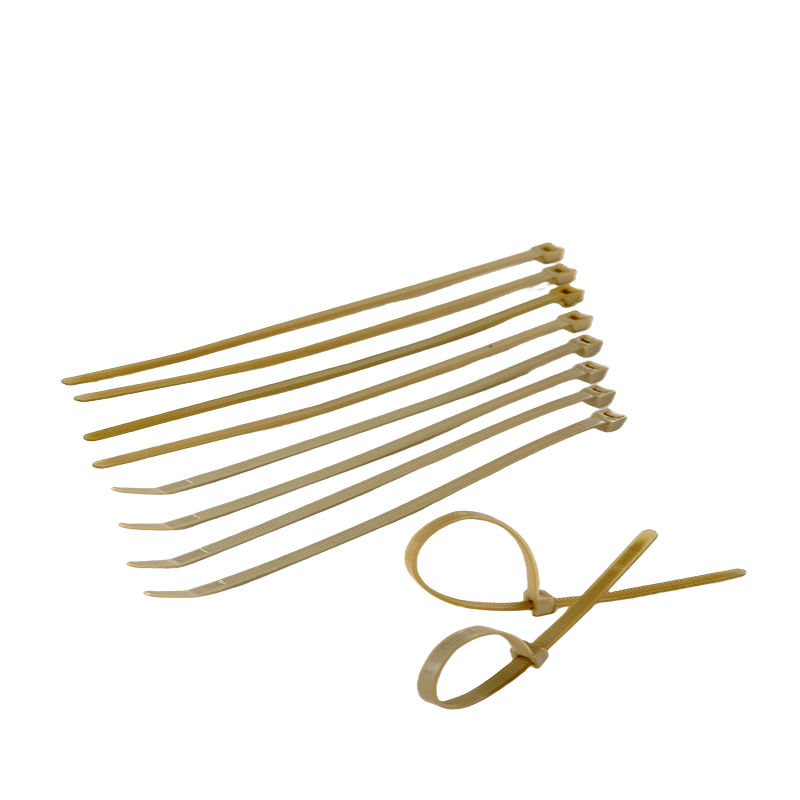
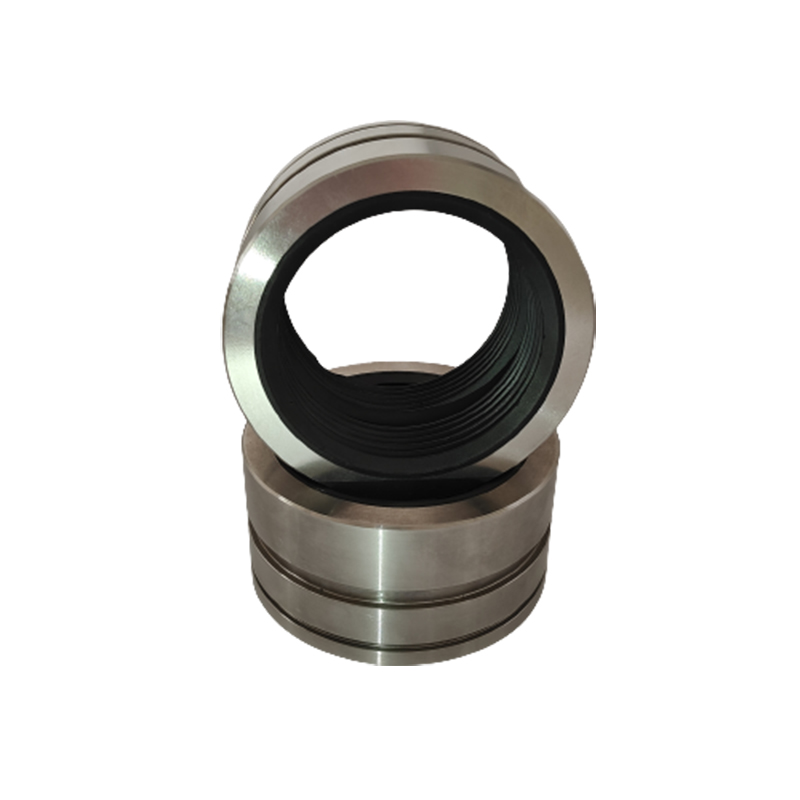
· Engine Peripheral Components: Applied in engine inner covers, blades, sealing rings, gaskets, wire harness clamps, nuts, etc., utilizing its high-temperature resistance and chemical corrosion resistance to replace metals, achieving weight reduction and insulation.
· Piping and Cable Systems: Used for fuel/hydraulic pipe clamps, conduits, insulation layers and sheaths for wires and cables, due to its lightweight, oil resistance, flame retardancy, and strong durability.
· Fuselage and Wing Structural Components: CF/PEEK composite materials, due to their extremely high specific strength and specific modulus, are used to manufacture brackets, fasteners, wing leading edges, fairings, UAV propeller blades, and other secondary or even primary load-bearing structural components. This is a key future development direction for achieving extreme aircraft weight reduction (up to 10%-40%).
· Other Key Components: Also include aircraft wheel hub covers, pylon fairings, control system impellers, radomes, as well as clamps, pipes, etc., on aircraft models like the Boeing 787 and Airbus A350.
3. Application Value and Trends
The core value of applying PEEK in the aerospace field lies in: significantly reducing aircraft weight, improving fuel economy and payload capacity; withstanding extreme environments such as high/low temperatures, vibration, and chemical corrosion, enhancing component reliability; its flame-retardant, low-smoke, and non-toxic properties ensuring cabin safety. With the development of domestic large aircraft (such as the C919) and the localization process of components, as well as the rise of the low-altitude economy (UAVs/eVTOLs), the application prospects for PEEK materials are even broader.
