

PEEK composite materials, leveraging their comprehensive performance advantages such as lightweight, high strength, corrosion resistance, and self-lubrication, are being widely used to replace traditional metal materials across multiple high-value-added fields under the trend of "replacing steel with plastic." The following outlines their main application scenarios:
I. Aerospace
Application Value: Extreme lightweighting to improve fuel economy and payload capacity, while withstanding extreme temperatures, vibration, and chemical corrosion.
Replaced Components/Scenarios: Aircraft Structural Parts: Fairings, wing leading edges, wheel hub covers, brackets, pipe clamps, door supports, etc., replacing aluminum alloys can reduce weight by 20%-40% (e.g., Boeing 787, Airbus A350).
Engine Components: Impellers, sealing rings, gaskets, wire harness clamps, nuts, etc., offering high-temperature resistance and weight reduction.
Interior Parts: Seat frames, sidewall panels, etc., meeting flame retardancy and safety requirements.
Rockets & Satellites: Battery trays, fasteners, and other structural parts, meeting the harsh demands of the space environment.
II. New Energy Vehicles
Application Value:Achieving lightweighting to extend electric vehicle range, meeting reliability and insulation requirements under high-voltage fast charging and high-temperature conditions.
Replaced Components/Scenarios:
Powertrain System: Engine covers, bearings, seals, turbocharger blades, vacuum pump blades (traditional vehicles); motor bearings, 800V high-voltage motor enameled wire (new energy vehicles).
Transmission & Braking: Clutch gear rings, gears, ABS brake valves, sealing rings.
Battery System: Battery pack insulation materials (e.g., BYD Blade Battery application increased module volumetric energy density by 18%), seals.
Others: Steering system components, bushings, electric seat gears, various standard parts.
III. Medical & Healthcare
Application Value: Excellent biocompatibility, elastic modulus similar to human bone, no metal artifacts, customizable.
Replaced Components/Scenarios:Implants: Artificial joints (hip, knee), spinal fusion cages, cranial repair plates, rib prostheses, etc., rapidly replacing medical metals like titanium alloys. Surgical Instruments: Can withstand over 3000 cycles of high-pressure steam sterilization at 134°C, used for manufacturing high-end reusable instruments.
IV. Industrial & Energy
Application Value: Corrosion-resistant, wear-resistant, self-lubricating, suitable for harsh industrial environments, avoiding lubricant contamination.
Replaced Components/Scenarios:
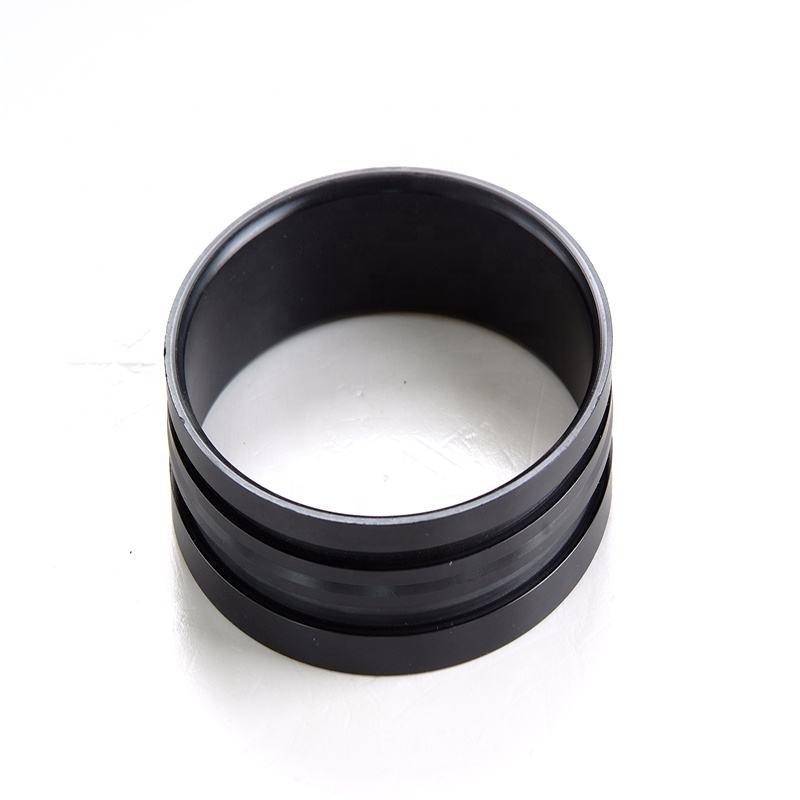
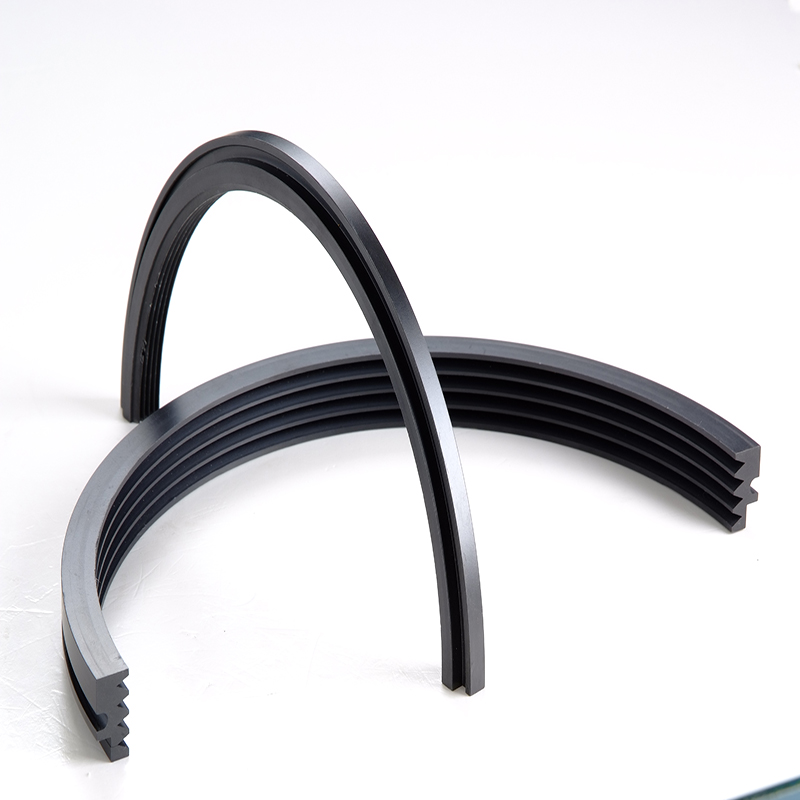
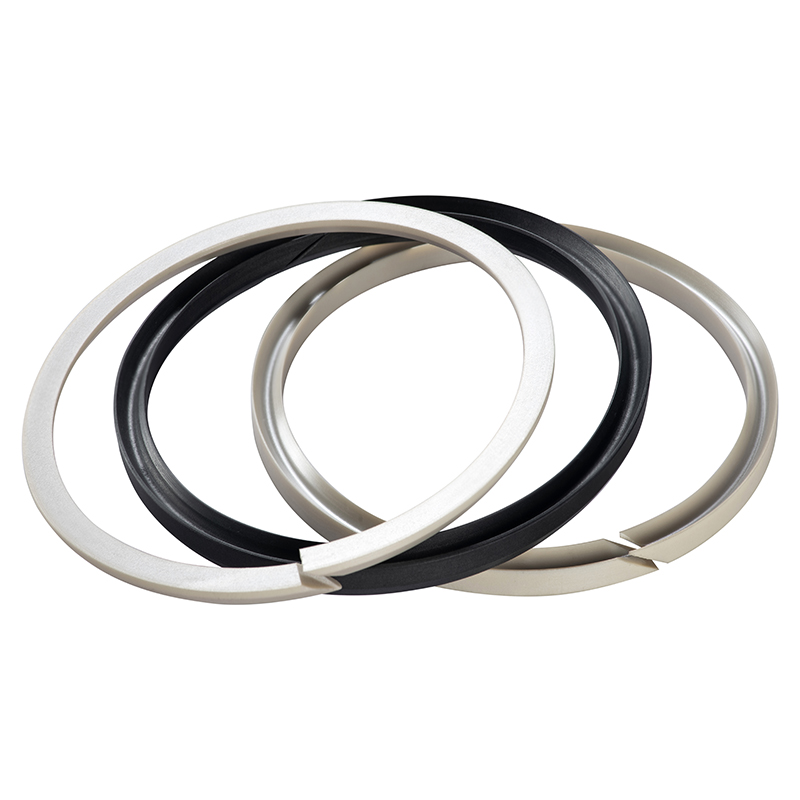
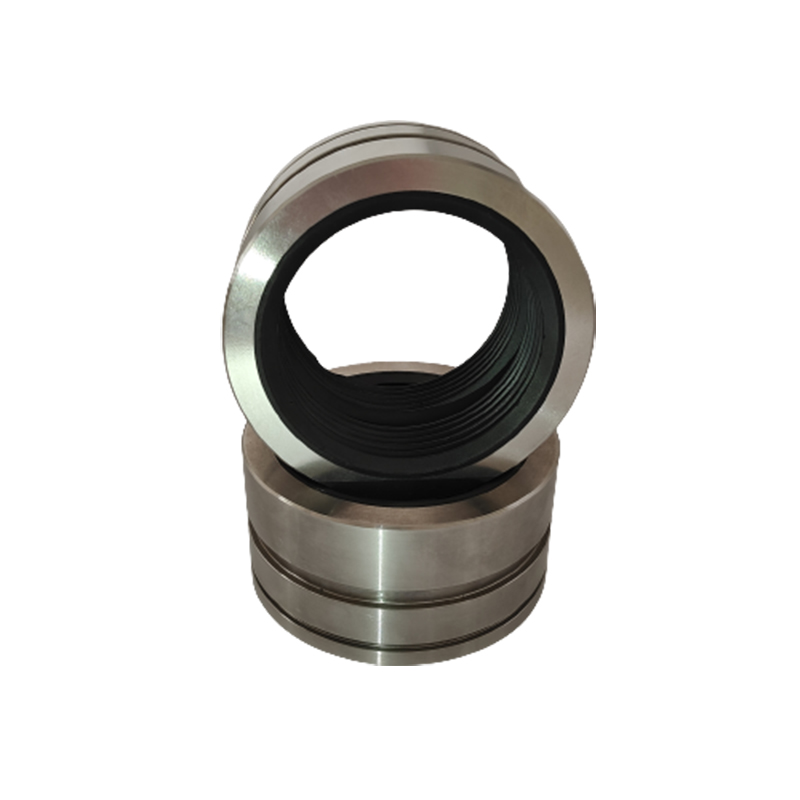
Oil & Gas: Sealing rings, valve plates, liners, replacing PTFE, overcoming its issues of easy wear and cold flow under high temperature and pressure.
Chemical Pumps & Valves: Valves, pump bodies, bearings, seals, resistant to chemical corrosion.
Wind & Solar Power: Wind turbine bearings, photovoltaic panel cassettes, etc., extending service life in harsh environments.
V. Electronics Information & Semiconductor Manufacturing
Application Value: High purity, high-temperature resistance, low outgassing, dimensional stability, ensuring high-precision process yield.
Replaced Components/Scenarios:
Semiconductor Manufacturing: CMP retaining rings, wafer carriers, chucks, selective plating rings, etc., withstand 260°C high temperature and plasma corrosion, offering longer service life.
Consumer Electronics: Built-in mobile phone antennas (replacing LCP/PI), speaker vibration diaphragms, connectors, etc., leveraging low moisture absorption and stable electrical performance.
VI. Emerging Fields:
Robotics & Low-Altitude Economy
Application Value: Lightweight, high strength, low noise, key materials for improving motion performance and endurance.
Replaced Components/Scenarios:
Humanoid Robots: Joint skeletons, gears, bearings, harmonic reducer flexsplines/rigid wheels, and other transmission components (e.g., Tesla Optimus application reduced weight by 10kg).
Drones/eVTOL: Propellers/blades, fuselage structural parts, arms, etc., PEEK carbon fiber composites achieve ultimate weight reduction and high strength.
Summary
The core logic of PEEK composites replacing metals lies in meeting or even exceeding performance requirements while achieving significant lightweighting, corrosion resistance, and functional integration. Their applications are rapidly expanding from "high-end" fields like aerospace and medical to strategic emerging industries such as new energy vehicles, semiconductors, and robotics, showing immense market potential. Carbon fiber-reinforced PEEK composites further achieve breakthroughs in specific strength, rigidity, and fatigue resistance, becoming an ideal choice for replacing high-end metals (e.g., titanium alloys).
