

Is PEEK Plastic Really Less Safe Than Metal for Automotive Safety Components?
In traditional perception, metals (steel, aluminum alloys) seem synonymous with "strength and safety." However, the safety of modern engineering plastics, especially top-tier specialty materials like PEEK, is ensured by their comprehensive performance that far exceeds that of ordinary metals, not merely by being "hard" .
Safety ≠ "Hardness," Safety = "Reliability Under Various Extreme Conditions"
Many people intuitively equate safety with "metal is hard, it won't break." But the real-world operating environment for automotive safety components is far more complex. PEEK's suitability stems precisely from its ability to perform more stably and durably than metals under combined challenges such as high temperature, corrosion, long-term wear, severe vibration, and the need for lightweighting .
Performance Comparison — PEEK is Not Ordinary "Plastic," It's a "Super Material"
First, the stereotype that "plastic = fragile" must be dispelled. PEEK sits at the "apex of the engineering plastics pyramid," and its performance parameters can directly rival or even surpass those of traditional metals :
Lightweight and High Strength: PEEK's specific strength (tensile strength/density) is as high as 1500 N·m/kg, nearly 8 times that of aluminum alloy and over 20 times that of steel . This means that for equivalent strength, PEEK components can be made much lighter than metal ones. Weight reduction itself improves handling stability and braking performance, contributing to indirect active safety.
High-Temperature Resistance Without Softening: Temperatures are extremely high near the engine bay and braking systems. PEEK's long-term service temperature can reach over 260°C, far exceeding that of ordinary engineering plastics (PA66 is only 95°C) and even surpassing the strength retention rate of many aluminum alloys at high temperatures . It is used in high-temperature locations like turbocharger blades, engine seals, and ABS valves due to its strong thermal stability .
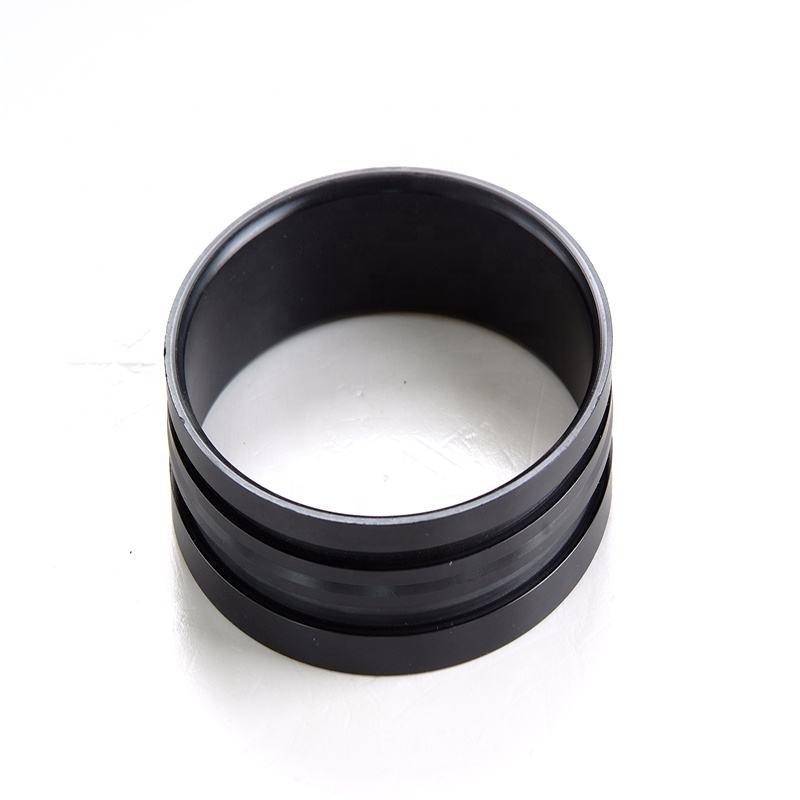
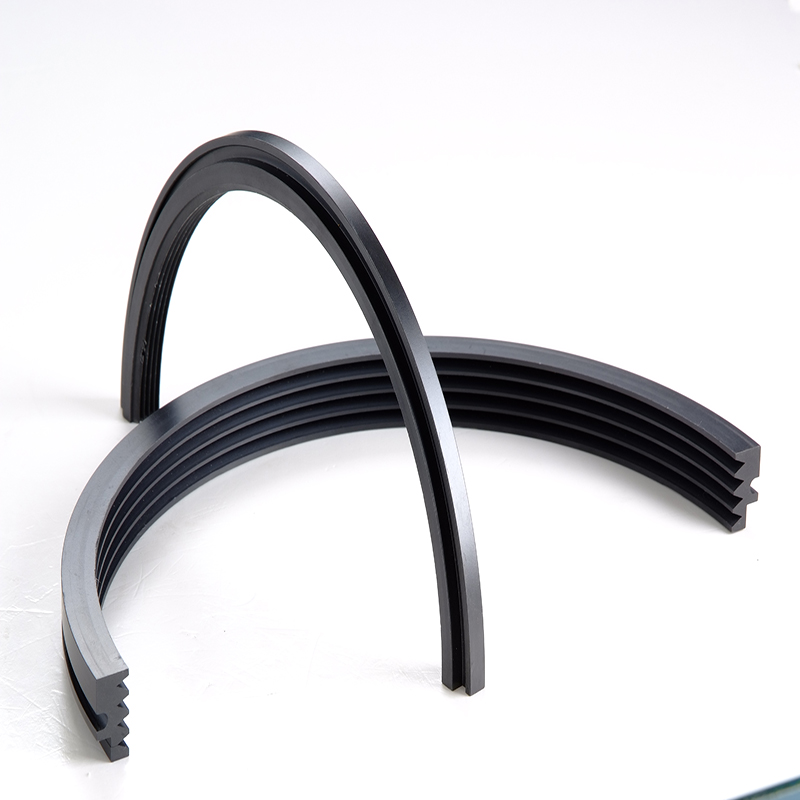
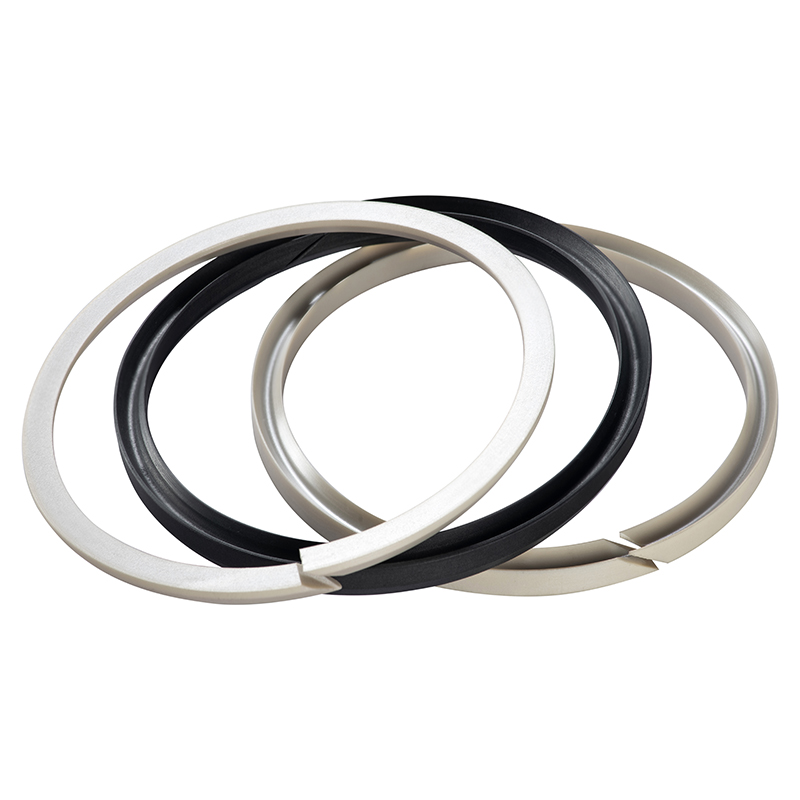
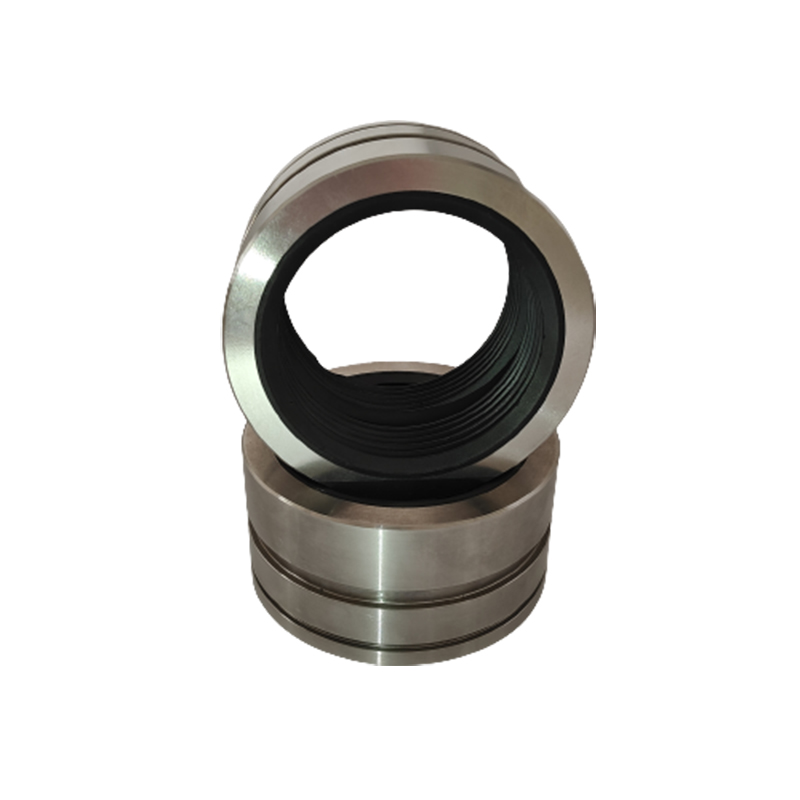
Wear Resistance and Self-Lubrication for Longer Life: The most significant risk for safety components is performance degradation due to wear. PEEK has a low friction coefficient and self-lubricating properties, with a wear rate only 1/10 that of metal . When used in bearings, gears, and sealing rings (such as transmission thrust washers), it not only requires no maintenance but also maintains dimensional stability over the long term, preventing system failures caused by gaps or leaks from wear .
Irreplaceable "Characteristic Safety" — Some Safety Aspects Metals Cannot Provide
PEEK possesses inherent advantages in certain critical safety attributes that metals inherently lack :
Insulation and Flame Retardancy: This is the lifeline for high-voltage electrical safety. PEEK is an excellent insulator and can achieve the highest flame retardancy rating, UL94 V-0, without adding any flame retardants . This is a core reason it is chosen for insulation materials in new energy vehicle 800V high-voltage motor enameled wires and power battery packs (e.g., BYD's blade battery application reportedly increased energy density by 18% while enhancing safety) . Metals conduct electricity and are not inherently flame-retardant.
Chemical Corrosion Resistance, Fearless of "Internal Damage": Automobiles are constantly exposed to fuel, lubricating oil, coolant, and de-icing salts. PEEK has excellent chemical corrosion resistance, whereas metals can rust and develop stress corrosion cracks—this kind of "internal damage" starting from within is often a hidden cause of sudden failure . Using PEEK for seals and pipeline components fundamentally eliminates such issues.
Fatigue Resistance and Vibration Damping: Automotive components endure hundreds of millions of cycles of alternating stress (vibration) during operation. PEEK's fatigue resistance is very prominent, comparable to alloy materials, allowing it to withstand high loads over long periods without deformation . Simultaneously, its damping characteristics are superior to metal, absorbing vibration and noise, thereby improving the overall system's smoothness and durability .
Application Examples as Endorsement — "Top Industry Players Have Used It for 25 Years"
Practical examples are more powerful than theoretical talk. There are numerous indisputable application facts in reality :
History and Prevalence: "The history of PEEK polymer materials applied in automotive components is already 25 years," and currently 30-40% of the international market's PEEK output is used in the automotive industry, having largely replaced stainless steel and titanium .
Specific Safety Components: There are many PEEK components directly used in safety or critical systems :
Braking System: ABS brake system components, brake pads, sealing rings.
Engine and Transmission System: Engine inner covers, bearings, clutch gear rings, transmission thrust washers/sealing rings (e.g., PEEK is used as a thrust washer in BMW racing transmissions).
Steering and Connection: Ball joints, steering system components.
Trust from Top Brands: Documents from companies like Luyang Technology showcase application cases such as Mercedes-Benz truck oil filters and BMW racing parts . The choice of these top automotive manufacturers, who have extreme demands for safety, is the most powerful endorsement of its safety.
Upgrading Safety Logic — Safety is a Systems Engineering
Modern automotive safety is systems engineering. PEEK's contribution to "lightweighting" offers higher-dimensional safety :
Lightweighting = Better Handling and Braking: Reducing overall vehicle weight lowers inertia, improves response speed during acceleration, braking, and cornering, and shortens braking distance in emergencies—this directly enhances active safety.
Lightweighting = Lower Energy Consumption and Emissions: For electric vehicles, weight reduction directly extends range; for all vehicles, it means less energy consumption and emissions, aligning with long-term safety (environmental safety and sustainable development) concepts.
In summary, ordinary plastics are certainly unsuitable for safety components. But the PEEK we are discussing is not ordinary plastic; it is a specialty engineering material known as the "king of plastics," with performance surpassing metal in many aspects .
It is half the weight of aluminum, but its specific strength is 8 times that of aluminum, making it stronger .
It can withstand temperatures above 260°C, making it suitable for use in engine and brake components without issue .
It is inherently flame-retardant and insulating, naturally suited for the high-voltage electrical safety of electric vehicles .
It is wear-resistant, corrosion-resistant, and has a longer lifespan than metal, avoiding sudden failures caused by wear and corrosion .
It has long been used in key components of high-performance cars from BMW and Mercedes-Benz, as well as in BYD's blade batteries, with a history exceeding 25 years .
Therefore, it is not about replacing metal with plastic, but rather upgrading traditional metal with a more advanced, lightweight, and highly reliable material. Its safety is guaranteed by comprehensive high performance, is a scientifically validated choice through long-term verification by top automotive manufacturers, and is an extremely safe and reliable engineering plastic.
