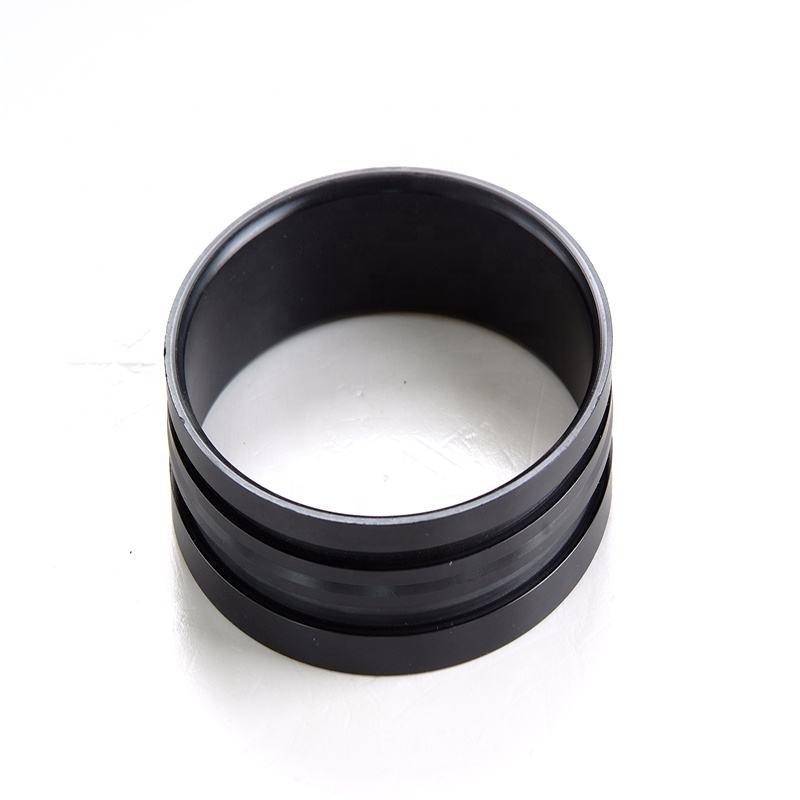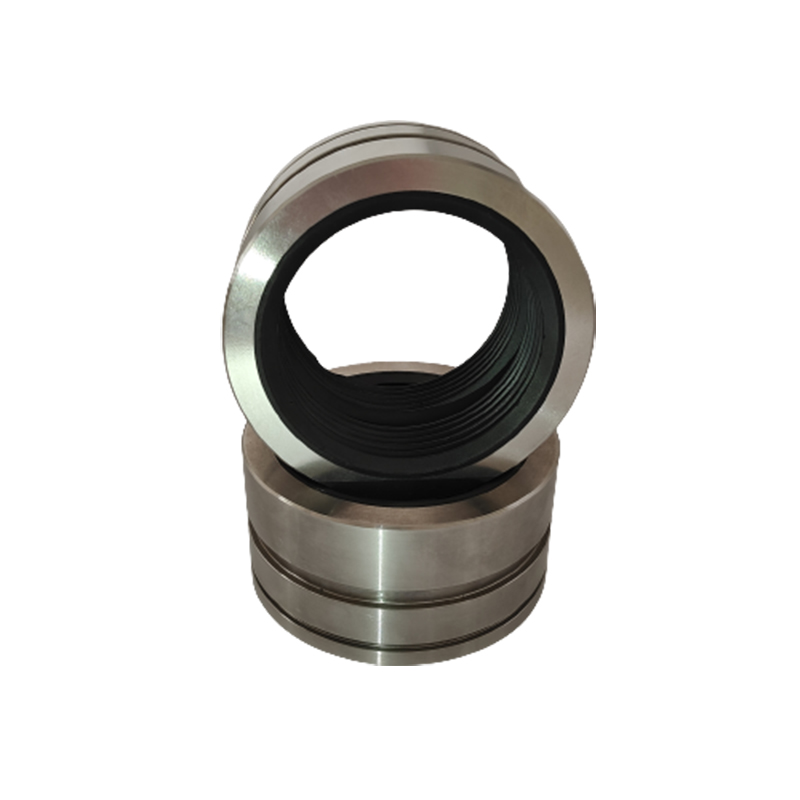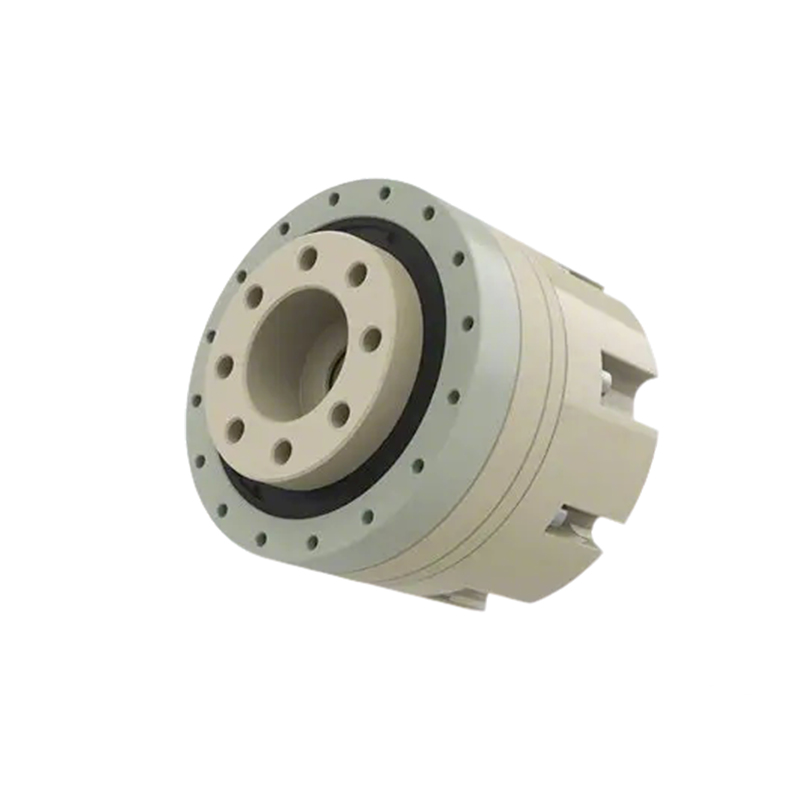
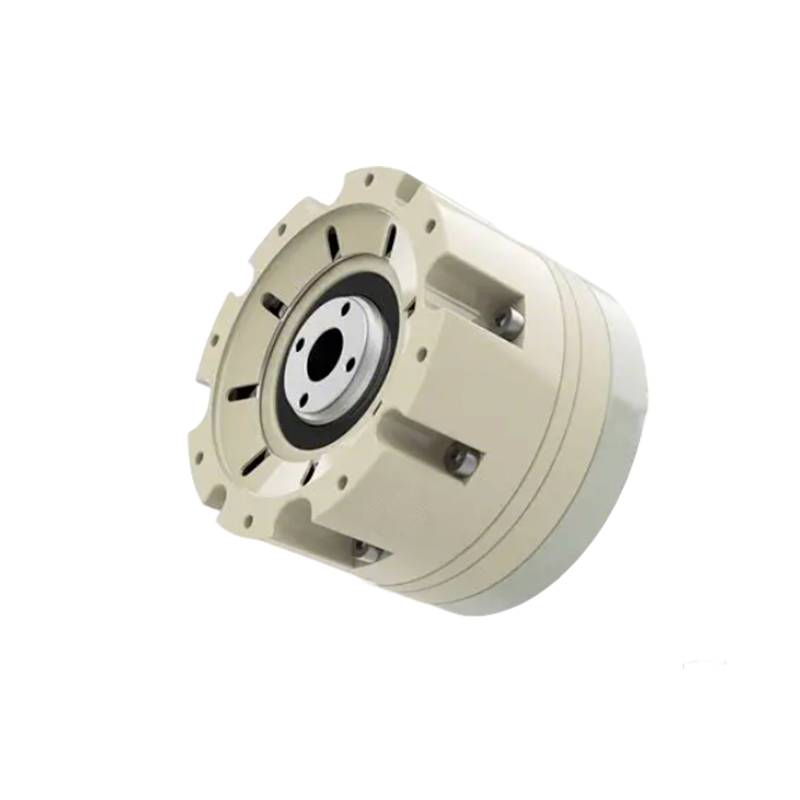
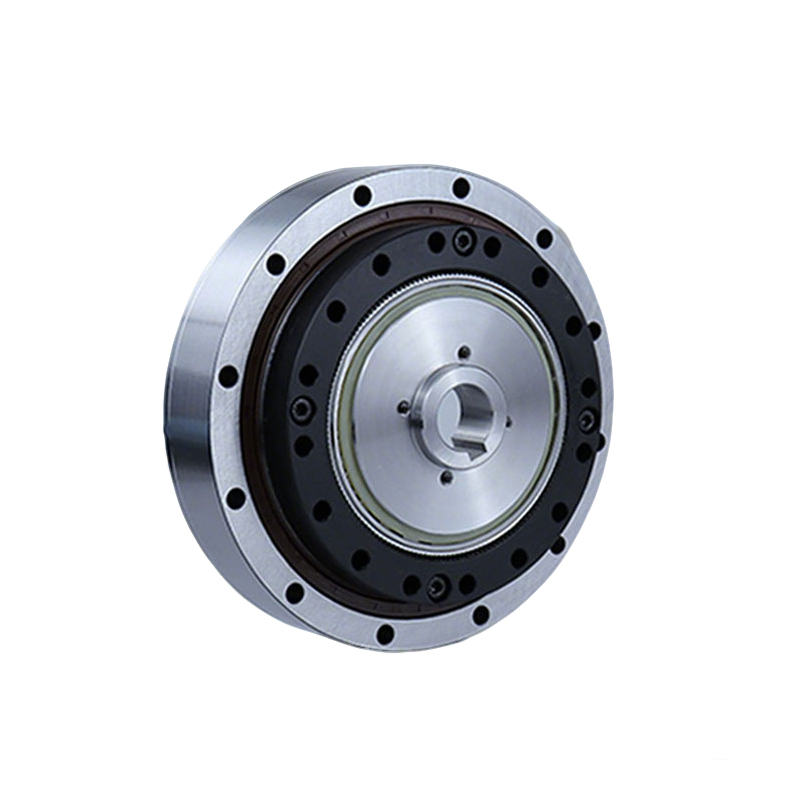
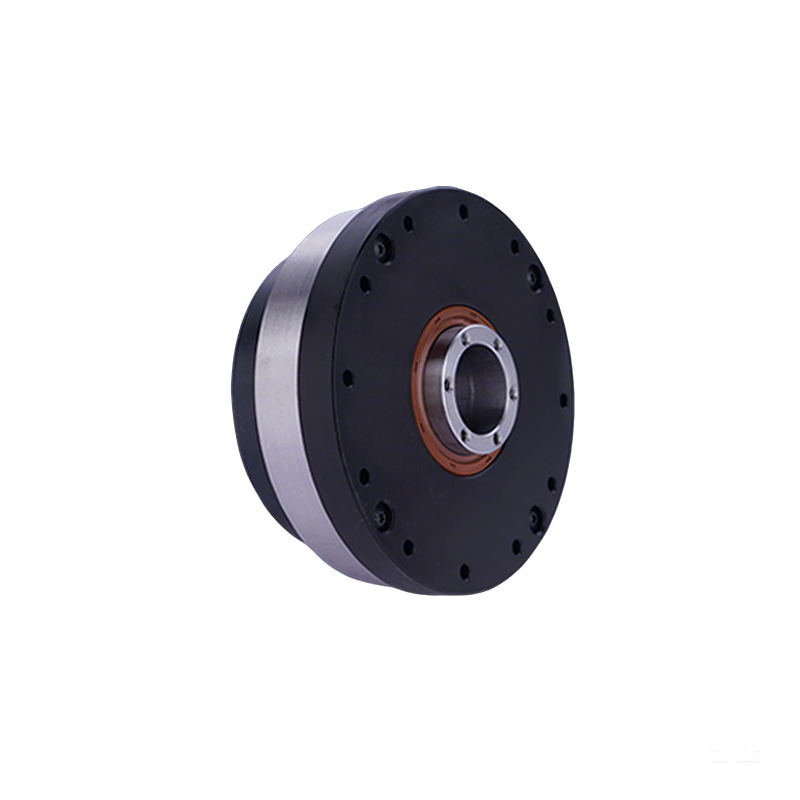
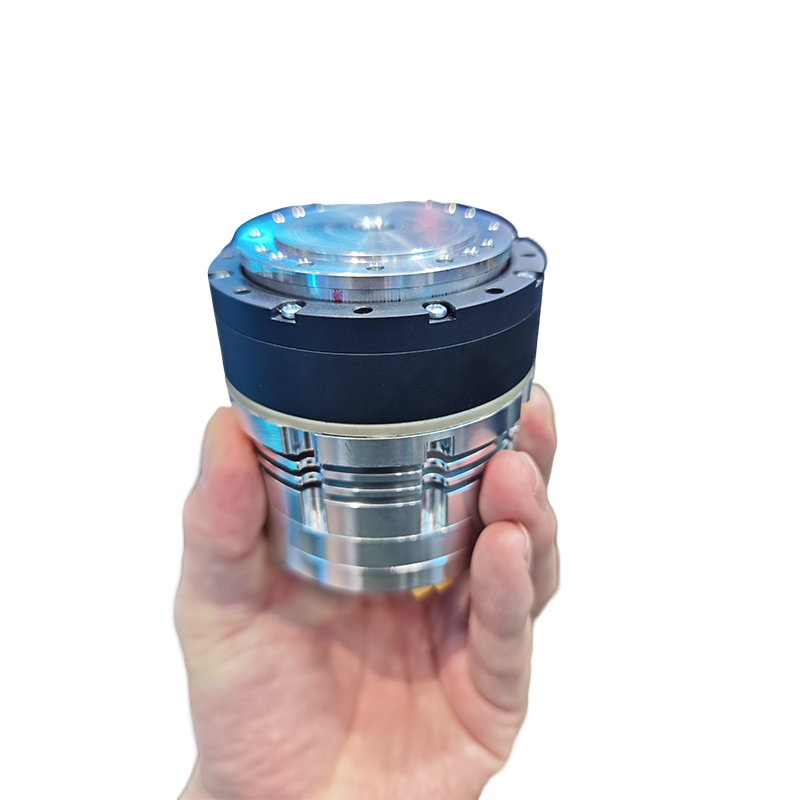
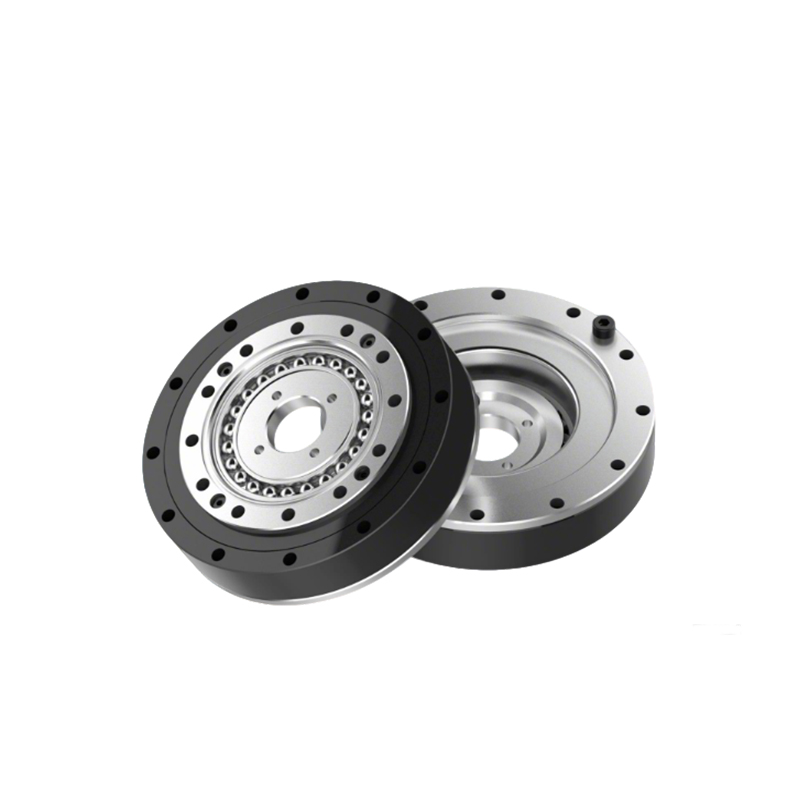
PEEK harmonic reducers are innovative precision reduction devices that apply polyetheretherketone (PEEK) composite materials to the harmonic drive structure, combining the high reduction ratio characteristics of traditional harmonic reducers with the lightweight advantages of PEEK materials. The following is a detailed introduction from four dimensions: structural features, material innovation, performance parameters, and application fields:
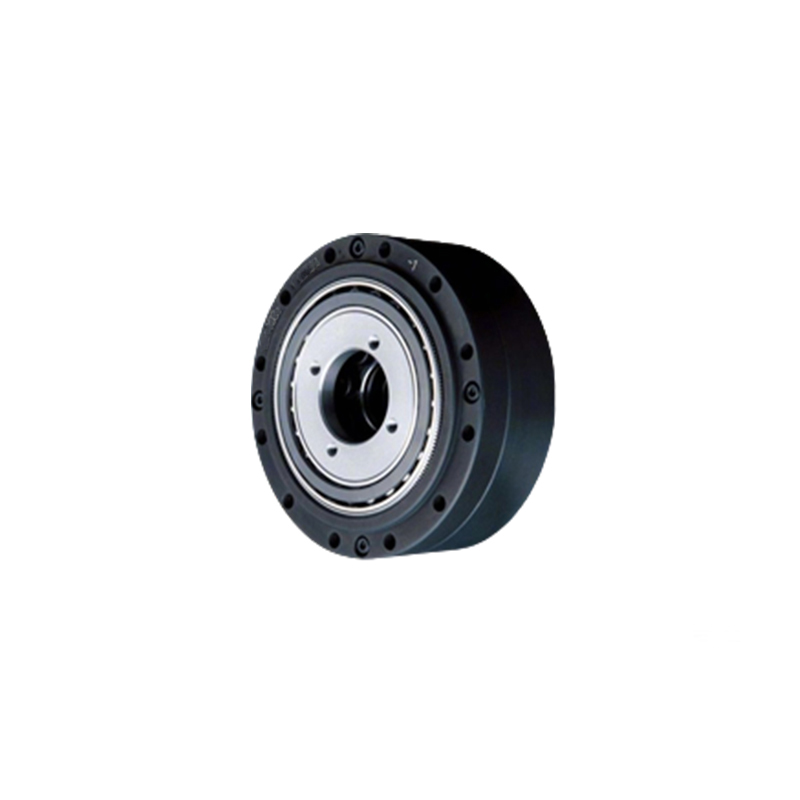
I. Structural Features
PEEK harmonic reducers adopts the classic harmonic drive structure of wave generator - flexible gear - rigid gear. harmonic reducers core innovation lies in the use of 50% long glass fiber reinforced PEEK for the one-piece injection molding of the flexible gear, and the inner gear ring of the rigid gear is a PEEK-metal insert structure (steel base + PEEK tooth surface). The outer ring of the wave generator bearing is integrated with a PEEK self-lubricating cage, eliminating the dependence on grease in traditional harmonic reducers. The overall structure is designed through topology optimization, with the wall thickness tolerance of the flexible gear controlled within ±0.01mm to ensure consistent elastic deformation during meshing.
II. Material Innovation
Lightweight breakthrough: The density of the PEEK flexible gear is only 1.5g/cm³, reducing the weight by 60% compared to a steel flexible gear and lowering the moment of inertia by 45%, significantly enhancing the dynamic response speed of robot joints.
Fatigue resistance: Through fiber orientation optimization, the bending fatigue life of the PEEK flexible gear reaches 10⁸ cycles (under rated load), approaching 85% of the steel level.
Friction optimization: The friction coefficient of the PEEK tooth surface is as low as 0.05 (dry friction condition), and when combined with the PTFE coating on the rigid gear tooth surface, it enables silent operation without oil (noise ≤ 55dB).
III. Core Performance Parameters
Reduction ratio range: 50:1 to 320:1 (single-stage transmission), supporting multi-stage series connection to achieve an ultra-high reduction ratio of 10,000:1
Rated torque: 3 to 50 N・m (corresponding models HX-14 to HX-50), peak torque can reach twice the rated value
Accuracy indicators: Backlash ≤ 1 minute, transmission error ≤ 30 arc seconds, torsional stiffness ≥ 20 N・m/rad
Environmental adaptability: Operating temperature -40℃ to 180℃, compatible with vacuum environments (can operate stably at 10⁻⁶Pa)
IV. Typical Application Fields
Collaborative robots: Wrist joints of end effectors, such as the sixth axis of the UR5e robot, achieving lightweight and high-precision grasping
Medical equipment: Small motion joints of surgical robot arms (such as the Da Vinci Xi), requiring compliance with aseptic environments and low electromagnetic interference
Aerospace: Satellite attitude control mechanisms, drone mechanical arms, utilizing its vacuum adaptability and lightweight characteristics to reduce launch costs.
PEEK harmonic reducers: The use of carbon fiber reinforced PEEK (CF/PEEK) to manufacture harmonic reducers can reduce the deformation stress to only 1/7 of that of steel, enhance damping characteristics, and reduce the risk of resonance. The number of contact teeth between the flexible gear and the rigid gear teeth can be increased by 47%, significantly extending the fatigue life, with the cycle count increasing from 29,000 times for metal flexible gears to 564,000 times.
PEEK harmonic reducers: CF/PEEK offers superior performance
In addition to advantages such as specific strength and wear resistance, compared to metal-based short-cylinder PEEK harmonic reducers, PEEK harmonic reducers made from CF/PEEK have the following features: ① lower deformation stress, ② better damping characteristics, effectively reducing the possibility of resonance, ③ increased number of contact teeth and meshing area between the flexible gear and the rigid gear teeth, enhancing the load-bearing and impact resistance of PEEK harmonic reducer, ④ superior fatigue life, etc.
(1) Compared to metal-based short-cylinder harmonic reducers, under the same load, the deformation stress of PEEK-based composite materials is only 1/7 of that of steel. Therefore, in a smaller axial dimension, a larger gear module and radial deformation coefficient can be selected for the design structure, providing greater design freedom.
(2) The natural frequencies of the entire PEEK-based composite material harmonic reducer are 40-45% higher than those of metal-based ones, indicating that PEEK-based composite material PEEK harmonic reducers have better damping characteristics and can effectively reduce the possibility of resonance.
(3) Under the rated operating conditions of a load of 20 N·m and a speed of 2000 rad/min, the number of meshing teeth in the PEEK composite material harmonic reducer increases, reaching 52 pairs, a 47% increase over metal. The increase in the number of contact teeth and meshing area between the flexible gear and the rigid gear teeth enlarges the meshing area of the gear pair, and the contact pressure is distributed over more gear teeth surfaces, enhancing the load-bearing and impact resistance of the PEEK harmonic reducer.
(4) Under the same structure, CF/PEEK short-cylinder harmonic reducers have better fatigue life. Traditional metal harmonic reducers have excessive deformation stress, and the flexible gear teeth suffer static failure when the cycle count reaches 29,000 times. The flexible gear made from PEEK composite materials is expected to have a cycle count of 564,000 times and a fatigue life of 939.5 hours.